

Polypropylene Rugs: Everything You Need to Know in 3 Minutes


Polypropylene rugs and carpet are both beautiful and functional. Learn all of the reasons why polypropylene rugs are the best fit for your home.
If you’re shopping for a new area rug, odds are that you’ve come across polypropylene rugs or carpet. But with such a complex name, what are polypropylene rugs and why would you pick one for your home?
As a maker of custom rugs with both natural fibers and synthetic materials, polypropylene is just another fiber on our loom. To help you decide if polypropylene carpet or area rugs are a good option for your home — or your patio — we have the answers to your questions here.
A quick primer on polypropylene rugs
- Best for: Patios, basements, kitchens, homes with pets/kids
- Biggest strengths: Stain resistance, durability, affordability
- Biggest drawback: Not as luxurious as natural wool
- Indoor/outdoor friendly: Yes
- Easy to clean: Extremely
- Good for pets: Yes
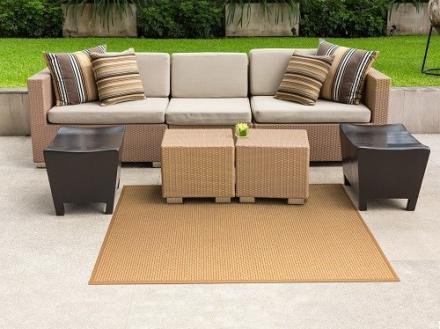
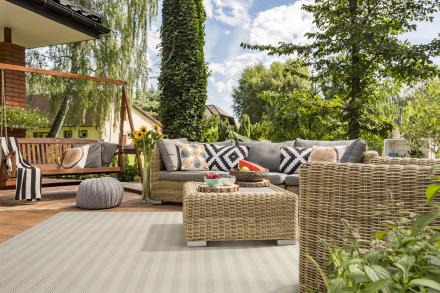
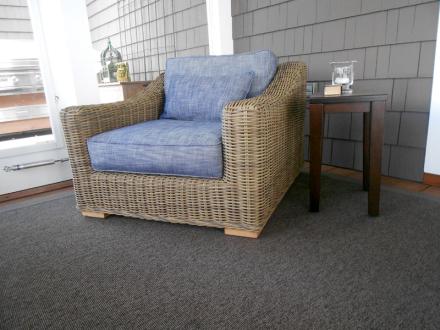
Polypropylene is a very scientific-sounding name for an artificial fiber. And in fact, the way the material is created is, indeed, very scientific (if you really want to know, you can consult Wikipedia).
But the important thing to know about artificial polypropylene rugs is that they are, for many applications, superior to natural fiber rugs. From their durability to their variety of colors, these rugs mimic the look and feel of natural fiber rugs while adding some key benefits.
What is a polypropylene rug?
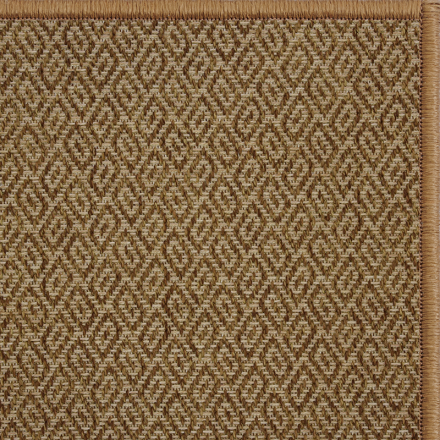
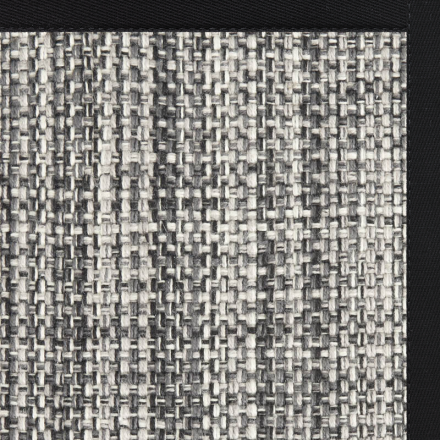
Polypropylene rugs (also known as olefin rugs) are designed to look like sisal, but they are actually made from synthetic fibers.
Polypropylene — the main ingredient in the rug — is simply a polymer created from monomer propylene and is frequently used in packaging, labels, textiles, and reusable containers. Considering how widely polypropylene is used, odds are you already have plenty of it in use at your home.
These polypropylene fibers are specifically made to look exactly like wool, sisal, and other common rug fibers. Once made, these fibers are machine-woven into unique rugs that look exactly like the real deal but come with the added benefits of being man-made. For example, polypropylene rugs are carefully designed for superior comfort and resilience, making them versatile rugs that can find a home in both the indoors and outdoors.
Find your perfect polypropylene rug!
Sisal Rugs Direct specializes in customizable rugs, allowing you to create your perfect polypropylene rug and have it come to life within a few days. Check out our material, size, and color options.
Shop our polypropylene area rug products
Pros and cons of polypropylene rugs
Like any rug material, polypropylene comes with tradeoffs. The good news? For many homes and lifestyles, the pros heavily outweigh the cons.
Pros
- Highly stain resistant
- Durable enough for high-traffic spaces
- Great for indoor and outdoor use
- Soft underfoot
- Fade resistant in sunlight
- Affordable compared to many natural fiber rugs
- Pet- and kid-friendly
- Easy to clean and maintain
Cons
- Not as luxurious or plush as high-end wool rugs
- Can flatten over time in heavily trafficked areas
- More sensitive to heat than natural fibers
- Lower-end options may feel less premium
- Extremely heavy furniture can leave dents more easily
If you want a practical, low-maintenance rug that can handle real life (spills, pets, muddy shoes and all), polypropylene is hard to beat.
Compare and contrast: Polypropylene vs Wool Rugs: Which One Is Right for Your Home
Where do polypropylene rugs work best?
One of the biggest advantages of polypropylene rugs is versatility. Their moisture resistance, durability, and easy-clean construction make them a great fit for some of the busiest spaces in your home.
Patios and outdoor spaces
Rain? Humidity? Direct sunlight? Polypropylene rugs can handle it. Their fade-resistant, nonabsorbent fibers make them one of the best options for patios, decks, porches, and outdoor entertaining areas.
Basements
Basements are notorious for moisture and humidity issues. Because polypropylene rugs resist mold and mildew, they’re often a smarter choice than natural fiber rugs for below-ground spaces.
Kitchens and dining areas
Between spills, crumbs, and heavy foot traffic, kitchens demand a rug that’s easy to clean. Polypropylene rugs wipe clean quickly and resist staining better than many natural materials.
Homes with pets or kids
From muddy paws to snack-time disasters, polypropylene rugs are built for everyday messes. Their tightly woven fibers are also less likely to snag from pet claws.
High-traffic areas
Entryways, hallways, mudrooms, and family rooms all benefit from polypropylene’s durability and resilience.
More polypropylene rug FAQs
Are polypropylene rugs comfortable?
All that science in a rug fiber must make it pretty stiff and scratchy, right?
Not right!
As you already know, rugs are designed to add comfort, beauty, and functionality to any designated space. Some spaces, however, require higher levels of comfort or functionality than others (like your kitchen or family room, for example), and the fibers used to create a rug determine how well it will serve its purpose.
Polypropylene may not be a cuddly-sounding word, but it sure makes for a soft rug. These rugs are designed to be soft and offer the right amount of comfort needed, have the same look and feel of natural fibers, and provide great functionality. And if you want to up the softness (we’re talking dangerous levels of softness now), you can add a rug pad. Your feet will never know more luxurious softness.
Browse through our selection to find the right polypropylene rug for your home or commercial space, and consider adding a rug pad underneath for more cushioning.
Are polypropylene rugs nonabsorbent?
The synthetic fibers that make up polypropylene rugs are nonporous. That means they do not absorb moisture, so you can place them wherever you want, inside or outside, without worrying about mold or mildew. Even in your darkest, dankest, most humid rooms, your polypropylene rug will not be home to anything nasty.
Their nonabsorbent fibers also make polypropylene rugs great for decorating outdoor spaces. Rain and humidity mean nothing to these rugs! Not even snow will hurt your synthetic fiber rug. In fact, you can even leave your polypropylene rug outside all winter.
Are polypropylene rugs durable?
Yes, polypropylene rugs are durable. Made to handle extreme weather, messes, and scratches, polypropylene rugs are extremely resilient and can easily bounce back from wear and tear. In fact, this resilience makes them great rugs for both indoor and outdoor spaces.
How long do polypropylene rugs last?
With proper care, a quality polypropylene rug can last anywhere from three to 10 years or more, depending on where and how it’s used.
Indoor rugs placed in lower-traffic spaces may last even longer, while outdoor rugs or rugs in busy family rooms may show wear sooner. Factors like direct sunlight, heavy furniture, pets, and daily foot traffic all play a role in longevity.
Are polypropylene rugs easy to clean?
Because polypropylene rugs are nonporous, they are exceptionally easy to clean. Whatever you drop or spill on your rug can be picked up and wiped off easily. Literally everything that goes onto a polypropylene rug just sits on top of the fibers, so there is no risk of staining, even from red wine. And this easy cleaning comes standard—no need to worry about pre-treating your polypropylene rug with a stain guard.
Are polypropylene rugs eco-friendly?
The chemical name “polypropylene” may give you the impression that these rugs are somehow bad for the environment. In fact, polypropylene takes very little energy to produce and is fully recyclable. So when you are done with your rug, it can be turned into a shoe!
Are polypropylene rugs pet-friendly?
Polypropylene rugs are made from tightly woven, low pile fibers. That means any claw-having creatures living in your house can walk all over your polypropylene rug without fear of their claws snagging in the fibers. Your rug and your pet’s feet are both safe!
Polypropylene fibers are also non-toxic. So if your pet discovers a bit of food on your polypropylene rug, feel free to let them eat it right off the rug. And if they don’t stop at the bit of dropped food and decide that the rug itself looks like a tasty snack, there’s no need to worry. The only risk is a chewed up rug.
Are polypropylene rugs suitable for indoor and outdoor use?
Polypropylene rugs are highly stain-resistant and will not grow mildew or fade when exposed to outdoor elements. This makes them excellent solutions for outdoor spaces and indoor areas with high moisture or where frequent spills occur. If you're looking to add a rug in your kid's bedroom, in the basement, or outside on your patio, a polypropylene area rug is highly recommended. And if your polypropylene carpet or rugs get dirty, you can simply wash them off with a hose as there’s no need to worry about excess moisture.
Are polypropylene colorful?
If you’re into the look of natural fiber rugs like jute or seagrass, but you want a little more color in your life, polypropylene rugs have you covered. Synthetic fiber rugs, like the Lima Polypropylene rug, come in bright colors that are fade resistant, so they can be left in direct sunlight. Whether the rug is placed inside in your living room or outside on your patio—you can be confident it will be as bright in ten years as it is today.
Are polypropylene customizable?
Polypropylene rugs can stand up to anything you throw at them, from red wine to long winters. That's why they’re ideal for any room of your house—inside or out.
Should I get a natural or polypropylene rug?
Figuring out how to choose a rug is no easy feat; it involves weighing a lot of pros and cons. When it comes to your home, you need to weigh the look, feel, and function of the rug before you can make the right choice. If you still can’t decide on which type of rug is best for your home after weighing all of the options, check out our full comparison of natural vs. synthetic rugs.
Ready to go all-in on a polypropylene area rug or carpet? Check out our full selection of sisal look-alike rugs.



