

Client Profile Sample for Interior Design: The Essential Guide to Creating Successful Projects


The interior design industry is constantly growing, with no signs of slowing down. Recent reports show it’s slated to grow by over 40 billion dollars by 2030. For designers, this means more opportunity but also more competition. One of the best ways to stand out is to incorporate a client profile into every project.
A client profile allows designers to collect critical information about their client’s needs, preferences, and expectations. When well crafted, it leads to better client relations and improved project outcomes. It can also help a designer identify key elements a project needs, like flooring solutions and rugs that anchor a design.
Knowing what to include in a client profile, how to collect information, and how to customize it for your business will help you shine as a designer. Strap yourself in because we will cover it all in this client profile sample interior design guide!
Understanding the purpose of interior design client profiles
There are many steps in the interior design process, but none more important than creating a client profile. This document serves as a roadmap where you and your client can align on the vision and expectations for the project, including foundational elements like flooring and rug design elements.
There are no real downsides to creating an interior design client profile. This introductory step benefits your business, your client, and the design process.
The business benefits of comprehensive client profiling
When you take the time to talk in depth about your client’s vision for the interior design process, you create a blueprint for the entire project. Building a detailed client profile streamlines communications and reduces misunderstandings. That’s because the client profile is an agreed-upon reference point for all decisions.
The client profile also helps set up the right expectations for both parties. Together, you can agree on a budget and timeline for the interior design project. You can also note key design elements the client has in mind, like custom rugs or specific textures they want included in the space. Being hyper-detailed in this part of the process demonstrates professionalism and organization.
How client profiles transform the design process
Within today's competitive design landscape, generic designs won’t help your work stand out. Creating a client profile lets you personalize the decor to your client’s preferences. Gathering a wealth of detail will help you anticipate the client’s needs, even if they have not been fully articulated. The extra detail also allows you, as a designer, to produce more accurate project proposals and estimates.
Essential components of an effective client profile
A good client profile will help a designer understand the client’s practical needs and aesthetic preferences. When executed correctly, you can create a balanced approach to project planning.
Basic client information and project details
Let’s start with the basics. When putting together a client profile, here is some of the first information to collect:
- Contact information - This includes phone number, email, etc.
- Communication preferences - How your client prefers to receive communications (e.g., phone call, text, email, etc.).
- Property details - Be sure to note the address, square footage, and architectural style of the space.
- Timeline expectations - When does the client want the project done by, and are there key milestones to note along the way?
- Budget parameters - Get a definitive answer on how much they want to spend so you can plan accordingly.
- Payment preferences - Review if they want to pay by card, check, or cash, as well as if payments will come in installments.
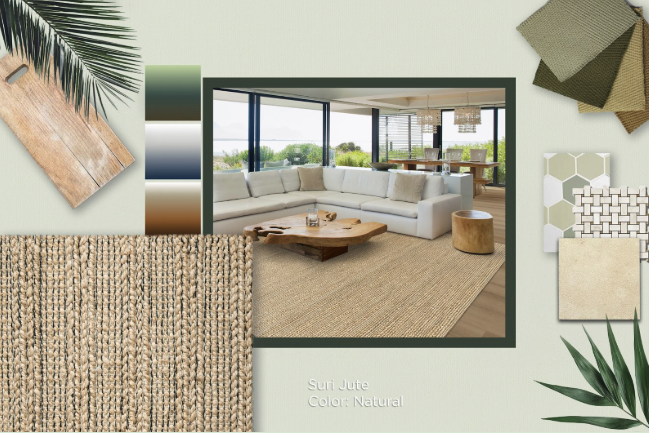
Use a mood board to illustrate different design concepts, textures, and colors.
Lifestyle assessment questions
After collecting basic info, it’s time for the fun part! Every client profile should include questions around how the space will be used to create a design that meets the client’s needs. Be sure to dig into the following:
- Daily routines - What role does the space play in the client’s day-to-day, and how do they intend to use it?
- Family composition - Details on who lives in the home and if any special considerations need to be made for children or aging parents. Don’t forget to ask about pets, too!
- Entertainment habits - Does your client like to host or throw parties frequently?
- Work-from-home requirements - This is most relevant when designing a home office, but it’s also good to ask so that you are aware of any technology needs that should be considered in the design process.
- Traffic patterns - Knowing where the home or room has the most foot traffic helps a designer decide on the best flooring and rug selections for high-traffic areas.
Capturing design preferences effectively
Gathering the necessary information for an interior design client profile requires direct questioning and an innate ability to interpret clients' responses and behaviors.. Luckily, there are tools to help you do this.
Techniques for uncovering true design preferences
Using the following techniques will help you understand not only what a client wants, but the “why” behind their design goals.
- Visual tools - Lean into mood boards and image collections to narrow down specific examples of your client’s likes and dislikes.
- Home tours - Don’t just have the client tell you about the space. Schedule a home visit to observe current living patterns and preferences in person.
- Past design experience - Have a thorough discussion around any design project your client has done in the past. Be sure to touch on what did and didn’t work with those interior design projects.
- Prioritization exercises - Clearly identify the must-haves versus the nice-to-haves. Use this moment to also touch on anything timeline-wise that needs to be done first.
- Tactile explorations - Bring swatches and material samples, including rug textures, to give your interior design client a real sense of what could work in the space.
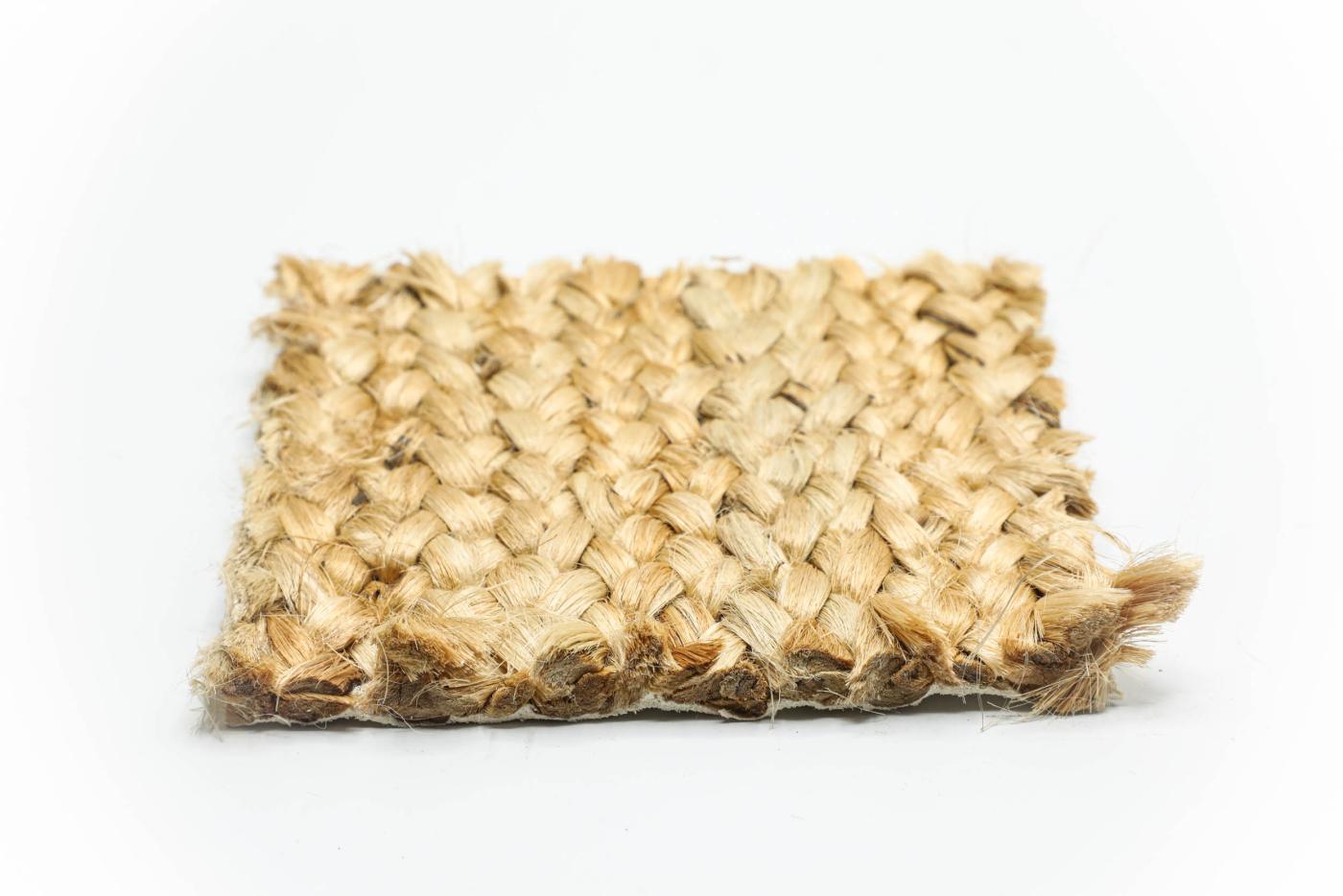
Bring samples of rug materials to help your client narrow down choices. This is the Mahal Jute Rug in Arctic Gold.
Documenting style preferences with precision
Once you know your client's design preferences, you can open the door to their style needs.. Be sure to note the following in detail, and don’t be afraid to ask for or present examples.
- Color palette - Note your client’s preferences with specific examples and use color theory to illustrate what hues work best together.
- Texture preferences - Different materials and finishes can greatly impact a space. Walk through their wishlist, and explain your rationale behind using or omitting certain textures in the interior design.
- Furniture - Talk through preferred style and comfort requirements.
- Lighting - Lighting design is an essential part of redecorating a space. You should know your client’s preferences and the functional lighting needs for the space.
- Rugs - Your client may have preferences around style, pattern, and materials for rugs. This is another moment where you can bring textural examples to help narrow down what they are looking for.
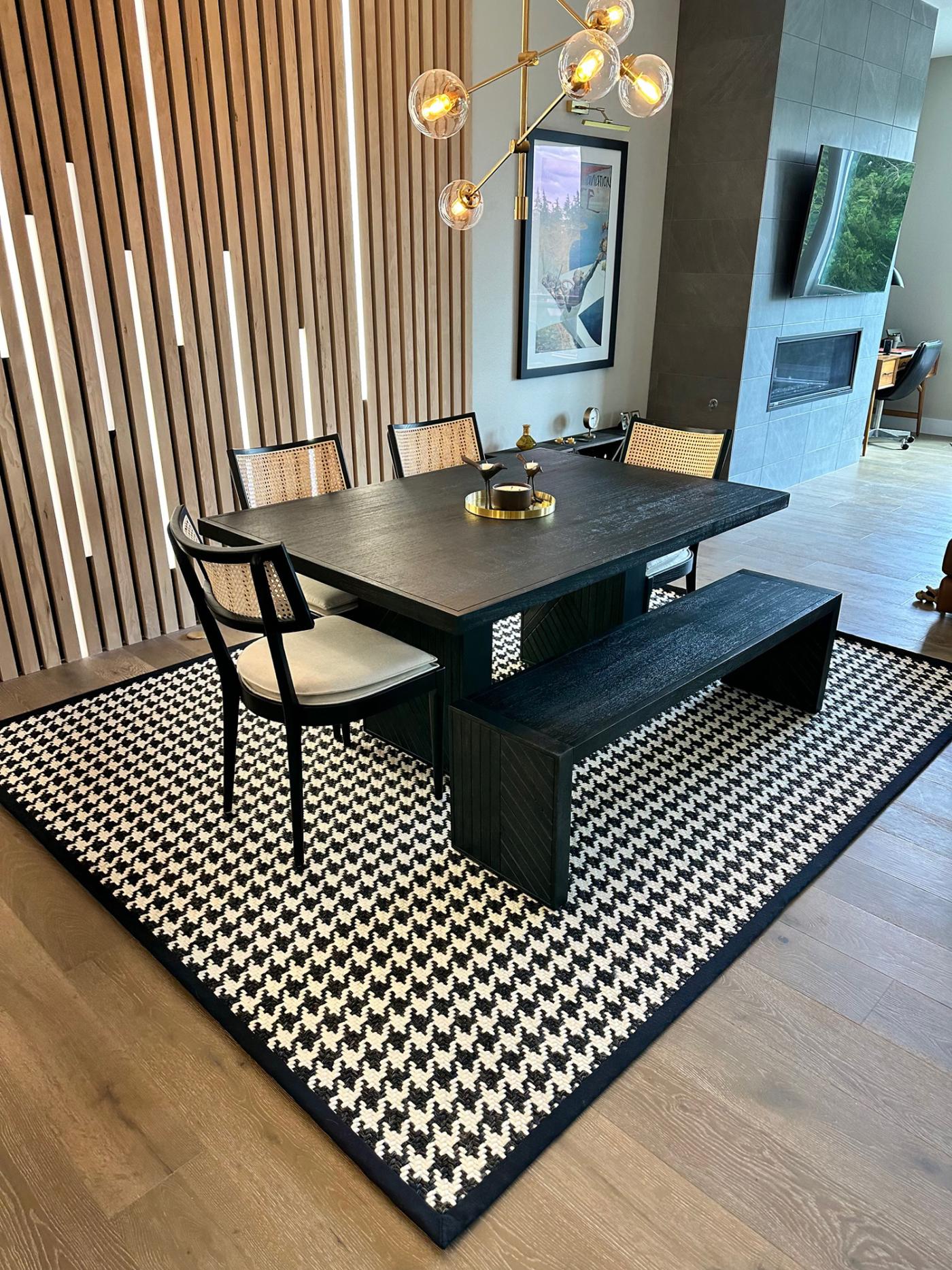
An interior design client profile helps you and your client make bold rug choices with confidence. This is Houndstooth in Raven.
Putting your client profile to work with strategic rug selection
The client profile is not a stagnant collection of details. Instead, it should be treated like a living document that guides decision-making throughout the project lifecycle. This is especially true when dealing with the foundation of any room: the rug options. The design element is crucial because it is the design element that anchors most rooms.
Using profiles to create targeted design concepts
When you’ve collected all the client profile details you need, the next step of the process is easy. You can take all of the information and translate it into an effective concept statement that outlines your vision for the project.
In the concept statement, you can translate the client's needs into planning solutions. Include colors, textures, materials, and finishes that align with the client’s preferences. You’ll also include a proposed budget based on the interior design client profile.
Pro tip: If you are stuck on building out a concept statement, start by picking out a rug based on the room. From there, you can build everything out.
How custom rugs elevate client-specific design solutions
The right rug can solve design problems and make every project feel tailor-made to your client. Use a custom rug to create a show-stopping moment or find ways to express the client’s unique personality through bespoke patterns and colors. Unique space challenges offer a moment to suggest a tailor-made shape to fit the room. With so much specificity from your client, the possibilities are endless!
From profile to perfect space: Your custom rug journey
In the end, as an interior designer, you are not only offering services but solutions. The interior design client profile helps you build an essential connection to your client, and can evolve and shift as your relationship deepens. Make your client profile process your own.
And remember, when unsure how to bring everything together, start with the flooring to anchor a room. No matter the design vision or challenge, Sisal has countless patterns, colors, and materials that can be made into a custom rug for your project. Start browsing here, and happy designing!



